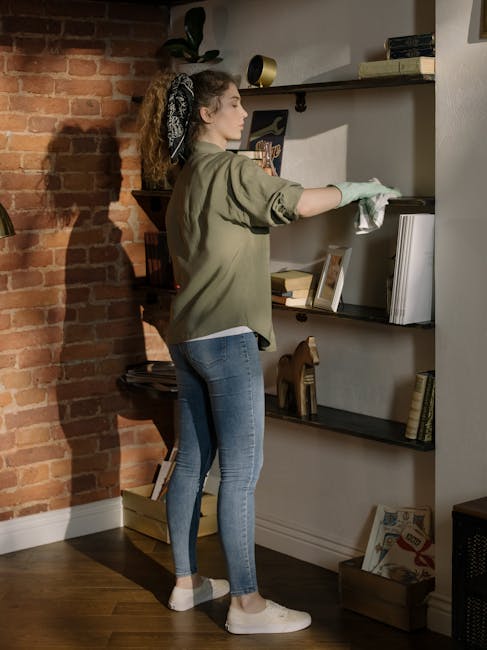
Redchurch Street cleaning tips for period flats
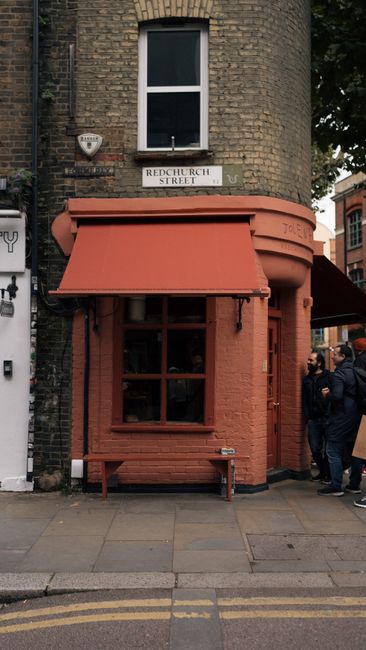
Period flats around Redchurch Street have a lot going for them: tall sash windows, original timber, old plaster, deep skirting boards, and the kind of character that modern builds try hard to copy. They also come with a few cleaning headaches. Dust settles in awkward mouldings, paint can be more delicate than it looks, and one heavy-handed scrub can leave you with a dull patch that catches the light every morning. Not ideal.
If you live in, manage, or clean a period flat in this part of Shoreditch, the trick is not to clean harder. It is to clean smarter. The best Redchurch Street cleaning tips for period flats focus on protecting original finishes, cutting through city dust, and keeping a lived-in home looking calm rather than overworked. This guide breaks down what to do, what to avoid, and when a specialist approach makes sense.
In our experience, the flats that stay looking best are the ones cleaned regularly with a light touch. Nothing dramatic. Just steady habits, the right products, and a bit of respect for old materials. Simple enough, but there is a knack to it.
Table of Contents
- Why this matters in period flats
- How the cleaning approach works
- Key benefits and practical advantages
- Who this is for and when it makes sense
- Step-by-step guidance
- Expert tips for better results
- Common mistakes to avoid
- Tools, resources and recommendations
- Law, compliance, standards, and best practice
- Options, methods, and comparison table
- Case study or real-world example
- Practical checklist
- Conclusion
- Frequently asked questions
Why Redchurch Street cleaning tips for period flats Matters
Period flats are not just older homes. They are a mix of materials, previous repairs, and historical quirks that respond differently to cleaning than modern surfaces do. A Victorian or Edwardian flat might have lime-based plaster, aged timber floors, painted woodwork, cast iron details, and original glazing that fogs up easily. One room may tolerate a decent clean; another may need a much gentler hand.
That matters even more in an urban pocket like Redchurch Street, where dust, traffic residue, and general city grime creep in quickly. Open a sash window for half an hour on a breezy day and you will often feel that thin layer of grit on the sill by evening. It is not a sign of poor housekeeping. It is just London being London.
The other reason this topic matters is resale and rental presentation. Period features are often the selling point. If the paint is scuffed, the floors look tired, or the bathroom has limescale sitting in every corner, the charm gets lost. Clean well, and the flat feels brighter, larger, and better cared for without needing any major work.
For landlords and tenants, the stakes are practical too. End-of-tenancy expectations are usually much higher in older flats because marks stand out more on original materials. A careful clean can make the difference between an ordinary handover and a stressful one. If you need support with a move-out clean, end-of-tenancy cleaning is the kind of service that can take the pressure off when time is tight.
How Redchurch Street cleaning tips for period flats Works
The basic idea is to match the cleaning method to the material, age, and condition of each surface. That sounds obvious, but many people still treat every room the same way. They spray a strong product, grab a rough cloth, and hope for the best. With period homes, that approach can backfire quickly.
Good cleaning for a period flat usually follows three rules:
- Start gently. Dry dust and vacuum first so you are not rubbing grit into delicate finishes.
- Test before you commit. Try any new product in an out-of-the-way spot.
- Use minimal moisture. Old timber, plaster, and decorative paint do not like being soaked.
You will also get better results if you clean from top to bottom. Begin with ceiling cobwebs, light fittings, and shelves, then move to windows, woodwork, floors, and finally the high-touch spots like handles and switches. That keeps dust from landing on already cleaned surfaces. A simple idea, but it saves time.
For deeper or more delicate jobs, professionals often combine standard domestic methods with specialist services. For example, old carpets can trap a surprising amount of dust and odour, so pairing regular maintenance with carpet cleaning can make a flat feel fresher without replacing anything. Likewise, timber or stone flooring may need the careful approach offered through hard floor cleaning.
If the flat has been empty, renovated, or affected by dust from repairs, a deep cleaning service can be more effective than a standard tidy-up. That is especially true where old corners, vents, and ornate details have been left untouched for months.
Key Benefits and Practical Advantages
There is a real difference between a flat that is technically clean and one that feels properly cared for. The second one has fewer smells, less dust floating in the light, and a better sense of calm when you walk in after work. Truth be told, that feeling matters more than people admit.
- Preserves original features: gentle methods help protect sash windows, timber trim, and painted plaster.
- Reduces long-term wear: regular dust removal prevents grit from scratching surfaces.
- Improves air quality: older flats often collect dust in awkward ledges and fabric furnishings.
- Makes rooms feel lighter: clean windows, mirrors, and paintwork bounce more daylight around.
- Supports tenancy and resale value: a well-kept period flat usually presents better and feels easier to trust.
There is also a financial angle. Small maintenance habits are often cheaper than corrective work. If you let grime build up on tile grout, cooker parts, or bathroom seals, you may end up needing a more intensive clean later. The same logic applies to fabrics, which are expensive to replace and often harder to match in older interiors. If a sofa or chair is looking dull, upholstery cleaning can restore a lot more than people expect.
One overlooked benefit is pride of place. Period flats can feel wonderful when they are tidy in a way that respects their age. Not showroom perfect. Just warm, lived-in, and well looked after. That balance is the sweet spot.
Who This Is For and When It Makes Sense
This guidance is useful for tenants, owner-occupiers, landlords, Airbnb hosts, and property managers. In a neighbourhood like Redchurch Street, flats can be compact, well-used, and full of mixed-age finishes, so one cleaning routine rarely fits every room.
It makes sense if you are:
- trying to keep original features in good shape;
- preparing a flat for viewings or photography;
- moving out and want to avoid deduction disputes;
- keeping on top of dust from nearby traffic or ongoing building works;
- dealing with a flat that has older carpets, worn skirting, or sensitive paintwork;
- recovering from renovation mess or a long period without proper cleaning.
It also makes sense after trades have been in, because historic homes trap dust in hidden ledges and behind radiators. If that sounds familiar, a targeted after builders cleaning can help remove fine dust without leaving you to tackle every awkward detail on your own.
And yes, if you are simply tired at the end of the week and the flat needs more than a quick once-over, that counts too. There is no prize for struggling through a job that should be shared out or outsourced.
Step-by-Step Guidance
Here is a practical routine that works well for most period flats. Adjust it to suit the materials in your home, because no two old flats are ever quite the same.
1. Air the flat first
Open a few windows for 10 to 20 minutes if the weather allows. Fresh air helps clear stale smells and makes dust easier to spot. On a damp day, keep it brief. There is no need to invite in half the street.
2. Dry dust before using liquids
Use a microfibre cloth, soft duster, or vacuum brush attachment on shelves, ledges, picture rails, and skirting boards. Dry dusting stops you from creating a muddy film on old paint or polish.
3. Work from top to bottom
Start with ceiling cobwebs, light fittings, and top corners. Then move to mirrors, window frames, furniture, and woodwork. Finish with floors. It is boring but effective. Cleaning from the bottom up is one of those small mistakes that makes a job feel twice as long.
4. Use the mildest product that will do the job
For painted woodwork and plaster, warm water with a tiny amount of pH-neutral cleaner is often enough. Strong alkaline or acidic products can damage delicate surfaces or leave them looking patchy. If you are unsure, err on the side of caution.
5. Tackle kitchens and bathrooms separately
Kitchen grease and bathroom soap scum need different approaches. In kitchens, pay attention to splash zones, cupboard handles, and extractor areas. If the oven has become the main villain in the room, oven cleaning may be worth considering, especially before guests, inspections, or a move.
In bathrooms, soften limescale carefully and avoid scraping old taps or enamel with anything abrasive. A little patience here goes a long way.
6. Clean windows and tracks properly
Period flats often rely on natural light, so windows matter more than people think. Wipe the frames, sills, and tracks as well as the glass. Dirty frames can make a room look neglected even if the glass is sparkling. If the flat has large panes or tall upper-floor windows, professional window cleaning may be the safest way to get a proper finish.
7. Refresh soft furnishings and floors
Vacuum slowly and thoroughly, especially around edges and under radiators. Rugs, runners, and upholstered chairs collect dust from shoes, windows, and everyday use. A flat can smell clean and still feel dusty if fabrics are ignored. If a rug is central to the room, rug cleaning is often the finishing touch that makes the whole place feel lighter.
8. Finish with touchpoints
Wipe door handles, switches, banisters, and cupboard pulls. These are the bits people touch without noticing, and they matter more than they seem. It is the tiny detail that says, yes, this flat is properly looked after.
Expert Tips for Better Results
To be fair, the best results usually come from a few habits repeated consistently rather than one heroic clean on a Sunday afternoon.
- Keep one cloth per surface type. Old timber, glass, and bathroom areas should not all share the same cloth. That is just asking for streaks and transfer.
- Use gentle circular motions on worn finishes. Hard scrubbing can make aged paint look cloudy.
- Check hidden grime spots monthly. Tops of door frames, behind radiators, and around window catches are classic dust traps.
- Protect original floorboards. Sweep or vacuum first, then use a lightly damp mop if the finish allows it.
- Keep a small maintenance kit ready. If products are easy to reach, you are more likely to use them.
Another useful trick is to clean the most visible feature first. In many period flats that means the windows or the main hallway. Once that area looks good, the rest of the job feels more manageable. Slightly psychological, yes, but it works.
If the property has thick curtains, ornate sofas, or fabric dining chairs, dust may be sitting in soft surfaces more than on the visible ones. That is where upholstery cleaning can make a real difference, especially in rooms that are used every day.
For flats with stone, tile, laminate, or polished timber floors, use a method that suits the finish rather than the room name. "Kitchen floor" is not a cleaning instruction. Material matters.
Common Mistakes to Avoid
Some cleaning errors are just inefficient. Others can quietly damage older surfaces. Here are the big ones to avoid.
- Using too much water: excess moisture can lift paint, swell timber, or leave marks in joints.
- Scrubbing original finishes: aged paint and polish are often more fragile than they look.
- Skipping the dusting stage: wet wiping over grit creates streaks and abrasion.
- Using one harsh product everywhere: bathrooms, kitchens, woodwork, and glass all have different needs.
- Ignoring ventilation: stale air and trapped humidity can make a flat feel grimey even after cleaning.
- Forgetting corners and edges: old flats collect dust in places that are not obvious at first glance.
A small but common one: people clean only what they can see at eye level. Then they sit down at the end of the day and notice the skirting board, the radiator pipe, the top of the curtain rail... and suddenly the whole room feels unfinished. Annoying, but fixable.
If you are dealing with a lot of built-up mess or inherited clutter, sometimes the issue is not cleaning alone. A service like house clearance may be useful before a proper clean can even begin. Clearing first, then cleaning, is often the saner order.
Tools, Resources and Recommendations
You do not need a huge kit. In fact, too many products can make things messier. A compact, well-chosen set usually works best in period homes.
| Tool or product | Best use | Why it helps in period flats |
|---|---|---|
| Microfibre cloths | Dusting and wiping | Trap fine dust without scratching delicate paint or varnish |
| Vacuum with brush attachment | Ledges, fabric, corners, skirting | Gentler than a stiff brush and better for decorative details |
| Soft sponge | Light surface cleaning | Useful for painted woodwork and bathroom fittings |
| pH-neutral cleaner | General wipe-downs | Lower risk for older finishes than strong all-purpose sprays |
| Bucket with clean water | Rinsing cloths and damp cleaning | Helps control moisture so surfaces are not over-wet |
| Steam cleaner, used carefully | Selected hard surfaces only | Can help with grime, but not suitable for every old material |
For many flats, the smartest move is to combine everyday upkeep with periodic specialist help. Regular domestic cleaning keeps dust and fingerprints under control, while a one-off deeper visit can reset the place when it starts to feel tired. That is where one-off cleaning can fit nicely into the picture.
If your building has shared corridors or communal windows, coordination matters too. Clean home interiors will still feel less pleasant if the surrounding common areas are neglected, and that is just the reality of older conversions. For residents who want broader support, domestic cleaning is often the simplest way to keep a regular rhythm without letting things slide.
Law, Compliance, Standards, or Best Practice
Cleaning a period flat is not usually about complex compliance, but there are a few best-practice points worth keeping in mind. First, if you are a tenant, avoid altering or damaging original fixtures when cleaning. That means no aggressive scraping, no harsh chemicals on unknown finishes, and no DIY experiments on surfaces you do not understand. If in doubt, get permission before trying anything unusual.
If you are a landlord or letting agent, safety and fairness matter. A property should be presented in a clean, safe condition, but old buildings require realistic expectations. Some signs of age are not dirt. Historic wear, minor unevenness, and original materials often need careful maintenance rather than replacement. That distinction is important, and honestly, it saves arguments.
Professional cleaners should also work with sensible safety practices: correct dilution, good ventilation, safe ladder use for windows or high ledges, and appropriate handling of electrical items or fragile fittings. If you are comparing providers, look for clear information about insurance, safety procedures, and how they handle fragile interiors. For a broader view of how a company frames these responsibilities, see insurance and safety and health and safety policy.
Environmental best practice is worth mentioning too. Period flats often respond well to low-impact cleaning because the materials themselves are sensitive. Using less water, fewer aerosols, and more reusable cloths is kinder to the home and usually more efficient. If sustainability matters to you, recycling and sustainability is a useful mindset to bring into everyday cleaning habits.
Options, Methods, or Comparison Table
Different cleaning methods suit different period-flat problems. Here is a simple comparison to help you decide what is sensible for each job.
| Method | Best for | Watch out for | Best fit in a period flat? |
|---|---|---|---|
| Routine light cleaning | Dust, fingerprints, light grime | May not shift built-up residue | Yes, for weekly upkeep |
| Deep cleaning | Hidden dirt, neglected areas, move-in resets | Takes longer and needs more planning | Yes, very useful every so often |
| Specialist floor care | Stone, timber, worn hard floors | Wrong products can dull or stain finishes | Often the safest option for valuable floors |
| Targeted fabric cleaning | Rugs, sofas, chairs, curtains | Some fabrics shrink or mark if treated badly | Yes, when textiles are a major part of the room |
| End-of-tenancy clean | Check-out presentation and rental standards | Needs a full-property approach | Yes, especially before handover |
If you are unsure whether a full deep clean is warranted, use a simple test: can you remove the day-to-day dust and still notice a dull film, stale smell, or sticky residue? If yes, the flat probably needs more than routine wiping.
Case Study or Real-World Example
A typical example: a two-bedroom period flat near Redchurch Street, with sash windows, original floorboards in the living room, and a kitchen that had seen a lot of meal prep but not much detail cleaning. Nothing dramatic, just that familiar "lived-in" build-up. You could see it most clearly in the corners, on the window tracks, and along the top edge of the skirting where dust had settled into a grey line.
The owner started with a quick tidy, but the place still looked flat and a bit tired. The turning point was changing the order of work. First came dry dusting, then careful cleaning of the windows and frames, then a low-moisture pass on the floorboards. The kitchen got a more focused treatment, and the fabric dining chairs were refreshed separately. Small jobs, really, but together they changed the feel of the whole flat.
What stood out most was not that everything looked new. It looked respected. That is the right outcome for a period home. You do not want to scrub away its character in the name of cleanliness. You want the character to shine through without the grime sitting on top of it. Slightly poetic, maybe, but true.
The owner later said the rooms felt brighter in the late afternoon, when the light came through the windows and the dust was finally out of the picture. That is the thing with these flats. Clean them well, and the light does half the decorating for you.
Practical Checklist
Use this checklist before, during, or after your clean. It is simple, but it covers the bits people most often miss.
- Open windows briefly for ventilation.
- Dust top-down, not bottom-up.
- Use soft cloths on original paintwork and timber.
- Test any new product on a hidden area first.
- Keep moisture light on wood, plaster, and old finishes.
- Clean windows, tracks, and sills, not just the glass.
- Vacuum edges, corners, and under furniture.
- Refresh rugs, upholstery, and curtains where needed.
- Wipe handles, switches, and other touchpoints.
- Review whether a deep clean or specialist service would save time.
Quick expert summary: the safest and most effective approach for period flats is gentle, regular, and material-aware. If a surface looks fragile, treat it as fragile. That one habit prevents a lot of avoidable damage.
Conclusion
Period flats on and around Redchurch Street are full of character, but they ask for a bit more judgement than a standard modern apartment. The cleaning routine has to respect original materials, manage city dust, and keep the flat feeling bright without overworking the surfaces. That is the balance.
Start with light, regular care. Add deeper attention where grime builds up. And when a room needs more than a quick wipe, do not be afraid to call in specialist help for fabrics, floors, windows, or a proper reset. It is usually cheaper, easier, and kinder to the property in the long run.
If you take one thing away from these Redchurch Street cleaning tips for period flats, let it be this: old homes stay beautiful when they are looked after with patience, not force. Small, steady care wins. Every time.
Get a free quote today and see how much you can save.
Frequently Asked Questions
What is the best way to clean a period flat without damaging it?
Use gentle products, soft cloths, and minimal moisture. Always dust first, test products in a hidden area, and avoid abrasive pads on painted wood, plaster, or original floorboards.
How often should a period flat be deep cleaned?
That depends on how busy the home is, but many period flats benefit from a deeper clean every few months, especially if they have a lot of detail, textiles, or city dust coming in through the windows.
Are strong bleach or vinegar cleaners safe on old surfaces?
Not always. Strong cleaners can strip finishes, dull paint, or mark older materials. It is better to use a product suited to the surface rather than assuming one cleaner can handle everything.
What should I clean first in a period flat?
Start with dusting high areas, then move down to windows, woodwork, furniture, and floors. Kitchens and bathrooms often need their own separate focus because they collect different kinds of grime.
How do I clean sash windows properly?
Wipe the glass, frames, tracks, and sills with a soft cloth and a mild cleaner. Avoid soaking the timber. If the windows are tall, awkward, or fragile, a professional window service may be the safer choice.
Can I use a steam cleaner in a period flat?
Sometimes, but not everywhere. Steam can help on certain hard surfaces, yet it may be risky for old timber, delicate paint, and some floor finishes. Check the material first and keep the steam use controlled.
What is the biggest cleaning mistake people make in older flats?
Using too much water or too harsh a product. Old surfaces often look tougher than they are, and heavy cleaning can create more damage than dirt ever did.
Do period flats need different carpet care?
Yes, often they do. Older flats may have carpets that trap dust, odour, and wear patterns in a way modern homes do not. Regular vacuuming helps, but occasional carpet cleaning can make a big difference.
How can I make a period flat feel cleaner without repainting?
Focus on windows, skirting boards, door handles, switches, and floors. Those areas change the overall feel quickly. Fresh, clean fabrics also help a lot more than people expect.
Is professional cleaning worth it for a small period flat?
Often, yes. Smaller flats can actually be more fiddly because every surface is visible and the details are close together. A professional clean can save time and reduce the risk of damaging older finishes.
What cleaning approach works best before moving out?
A full end-of-tenancy clean is usually the safest route, especially if the flat has original features or stubborn build-up. It helps you present the property properly and avoids last-minute stress.
What if my period flat has a mix of old and new finishes?
That is very common. Treat each surface separately instead of using one method throughout the property. Old timber, new tiles, painted plaster, and modern appliances all need slightly different care.